Mentorship is essential for supporting wellbeing in veterinary medicine
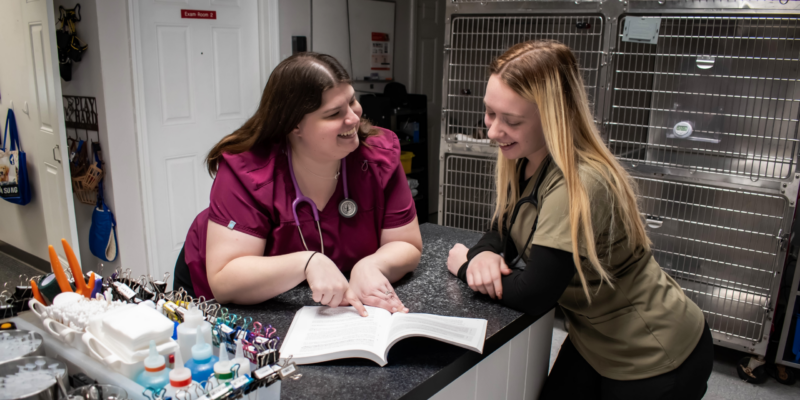
As a new graduate veterinarian in 2013, I was lucky to land in a private practice that offered exceptional mentorship. Located in rural Pennsylvania, with the nearest specialty hospital 4 hours away, I had extensive primary case responsibility. During my first year in practice, I performed a wide range of elective and emergency surgeries and managed complex medical cases. I always had the support of my 4 fellow veterinarians, who each provided different levels of mentorship, as well as the clinic team. At the time, I didn’t realize how lucky I was to have found a job that came with such robust mentorship.
Early career challenges and the mentorship landscape
Across multiple veterinary wellbeing studies, early career veterinarians have higher levels of burnout and serious psychological distress compared to their more experienced colleagues. The reasons for this are multifactorial and include the fear of making mistakes, ethical dilemmas, lack of leadership training, not knowing how to manage conflict with team members and clients, and financial instability due to high student debt loads.
Veterinary students recognize the importance of mentorship in helping them navigate these challenges. Since 2020, mentorship has been listed as the top reason for graduating veterinarians to choose their first position–outranking salary, location, and benefits.
Key components of mentorship
Certain needs are ubiquitous among early career veterinary professionals. Regardless of how mentorship is delivered by a clinic, these six needs must be met.
1. Confidence building
Veterinary students often have limited experience in surgery and primary case management. Because of this, many new graduate veterinarians lack confidence in their technical aptitude, surgical skills, and clinical decision making. Confidence develops over time with repeated experiences, especially when outcomes are positive for patients and clients.
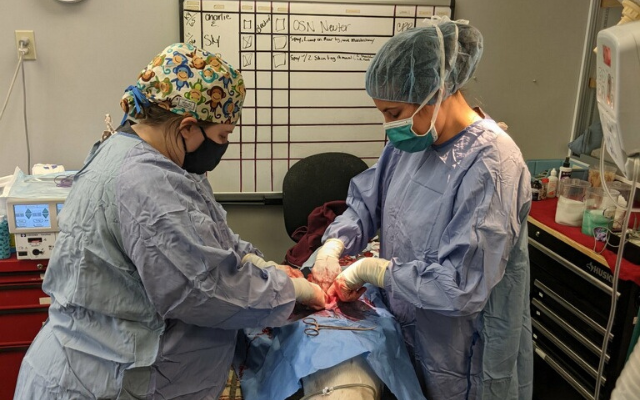
Mentors should create opportunities for their mentees to gain this experience both under direct supervision and independently. For many mentees, this means starting with extended appointment lengths that allow them to look up information and ask questions, and sharing surgeries with their mentor to help to improve confidence. Over time, as confidence grows, efficiency will follow, and appointment times can be reduced to standard lengths.
2. Navigating ethical dilemmas
The veterinary curriculum is heavily rooted in gold standard medicine, and the clientele that students interact with in a tertiary care teaching hospital often have more resources than the average client of a general practice. This can create ethical dilemmas when clients are unable or unwilling to pursue the traditional gold standard that early career veterinarians are used to. Being expected to forgo diagnostic testing and modify treatment plans in response to client limitations creates stress for early career veterinarians who fear client complaints, poor patient outcomes, judgment from colleagues or team members, and board discipline or malpractice suits.
Mentors can help early career veterinarians improve their comfort in navigating these ethical dilemmas by promoting the practice of spectrum of care. This can be done through modeling this type of practice, discussing alternatives to the traditional gold standard when reviewing cases, talking about how to communicate options with clients, and having open conversations about the terminology and expectations around standard of care. Encouraging young veterinarians to be responsive to the individual context of each client and patient can help to reduce these ethical dilemmas and support mental health.
3. Consistent feedback
Regular feedback is essential for growth in any individual, and it is particularly important for early career veterinarians who are in a career phase characterized by rapid growth. Providing consistent feedback, both praise and discussing opportunities for improvement, is a key component of mentorship. Mentees should not need to wonder if they are doing well. Instead, they should know they are doing well because they hear it from their mentor(s) and their team. On the flip side, mentees should not be left to assume “no news is good news,” and instead have regular discussions on ways they can improve, both their clinical and interpersonal skills.
The best way to ensure that consistent feedback occurs is to plan regular meetings between mentors and mentees that are protected in the clinic schedule. Additionally, include specific points in the mentorship schedule for formal evaluations (i.e., 1 month, 3 months, 6 months). Scheduling this time for feedback in advance ensures that it happens and makes it routine, which reduces some of the discomfort of unexpected feedback.
4. Managing mistakes and complications
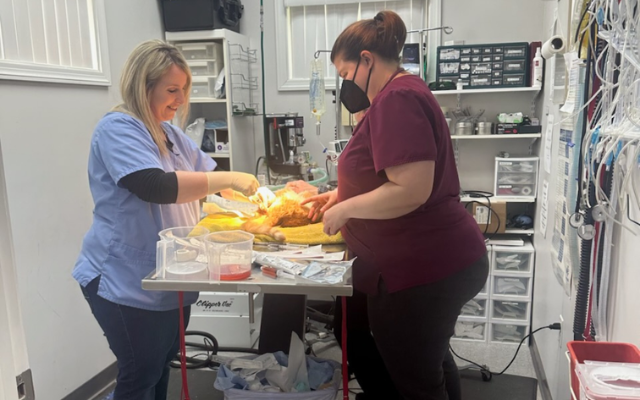
Cases with poor outcomes or involving complications are an unfortunate but real part of veterinary medicine. These cases can be especially challenging to process for those with limited practice experience, especially if the complication or poor outcome arose from a mistake.
Mentees need to feel comfortable discussing these cases with their mentor (and the team). This starts by creating psychological safety within the clinic environment. Mentors can encourage mentees to discuss these cases by sharing their own challenging cases and examples of their own mistakes. They should also remind mentees that complications and poor outcomes occur even when the case is managed well. Additionally, mentors can help mentees prepare for client communication when complications or mistakes occur and provide an opportunity to debrief after these stressful, high-stakes conversations.
5. Goal setting
Part of a structured mentorship program includes having the mentee set goals. These goals give the mentee something to strive for and can help direct how the mentor provides support. In one study, goal setting was protective against burnout, with veterinarians who had professional goals reporting lower levels of burnout than those without.
While many early career goals are related to clinical skills, such as learning a new procedure or being more efficient with medical records, they should not be exclusively clinical. Setting goals related to communication skills, leadership traits, and activities outside of the clinic can help early career veterinarians navigate the many challenges of the veterinary profession and maintain a healthy separation between work and personal life.
6. Team support
Regardless of how stellar a mentor veterinarian is, mentees need to work in an environment with a supportive team. This includes everyone from clinic management and other veterinarians, to veterinary technicians, assistants, client service representatives, and kennel staff. These individuals can provide support in a variety of ways, including making client introductions, building confidence through compliments and praise, sharing their own experiences with challenging cases, teaching technical skills, and more.
Mentors should encourage their teams to engage with the mentee and offer suggestions on how they can support the mentorship process. Additionally, clear communication with the team about scheduling expectations and how concerns should be handled is essential. Finally, expectations should be set around the unique needs of early career veterinarians, especially if the team is not used to working with a less experienced clinician who may be slower, less efficient, and less confident than other veterinarians.

Implementing mentorship programs
Most veterinary clinics who are trying to hire a new graduate veterinarian say they offer mentorship. However, what this actually looks like in practice varies greatly from one clinic to another, ranging from a structured mentorship program to being available for support “as needed”. Some clinics utilize third-party virtual mentorship programs to provide much of the non-clinical skills training needed by early career veterinarians.
There is no right or wrong way to provide mentorship, but it is essential that mentors and mentees discuss their expectations ahead of time. Surveys of early career veterinarians around the world suggest that up to 44% of new graduates will leave their first job within 12 to 18 months with lack of mentorship listed as the top reasons for this turnover. In my experience, it is more common that new graduates leave a clinic due to a perceived lack of mentorship because of mismatched expectations, rather than a complete absence of mentorship.
If you are a mentor preparing to plan mentorship for a new hire, consider how your clinic will support the mentee’s essential needs. If you’re an early career veterinarian seeking mentorship, think about what you want and need to have those needs met. No matter what your role is in the mentoring relationship, it is only by discussing these needs, and how they will be addressed, that you can create a mentorship experience that truly supports mental health and wellbeing during the early career period.